
Latest News, Views and Information from PHR
Read the latest news and insights from the legal experts at Percy Hughes & Roberts. Click on the articles below for more information.
Select Category

Posted: 08/04/26
We are delighted to share a fantastic update from our first fundraising efforts of the year in support of the Stroke Association.

Posted: 13/03/26
Percy Hughes & Roberts are proud to mark the conclusion of our 2025 Charity of the Year partnership with The Brain Charity.
Posted: 21/11/25
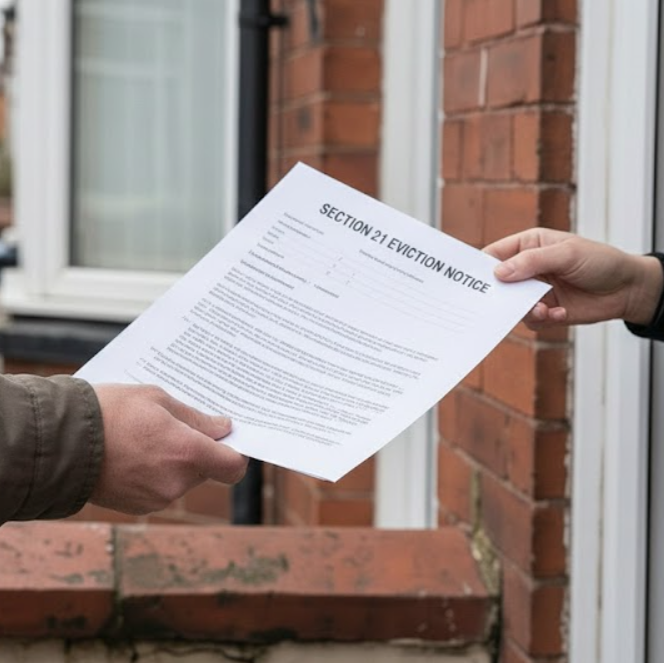
The Government has now confirmed its implementation plans for both Awaab’s Law and the Renters’ Rights Act 2025. These developments will significantly reshape the renting landscape over the next few years.

Posted: 10/09/24
Cancer Research UK is the world’s largest independent cancer research organisation, and is lauded for the work it does to understand cancer, develop treatments and find ways to prevent the disease.
Posted: 17/03/23
The Martin Lewis Money Show brought to light the importance of creating a Lasting Power of Attorney and the potential legal pitfalls if you lose mental capacity without one.

Posted: 20/01/23
Two siblings have been embroiled in a battle for their inheritance left by their grandmother after their uncle refused to pay his niece and nephew the £237,000 that was owed to them.
Posted: 08/11/22
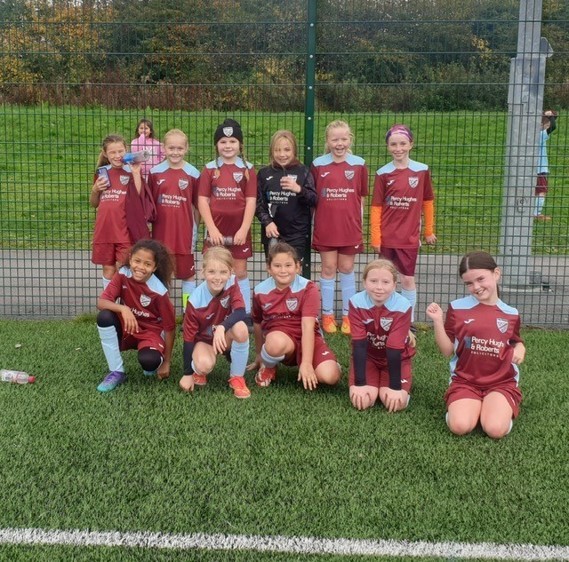
We are thrilled to announce Percy Hughes & Roberts are the new kit sponsor for Rakers JFC Under-9 girls’ team for the year.
Posted: 04/11/22
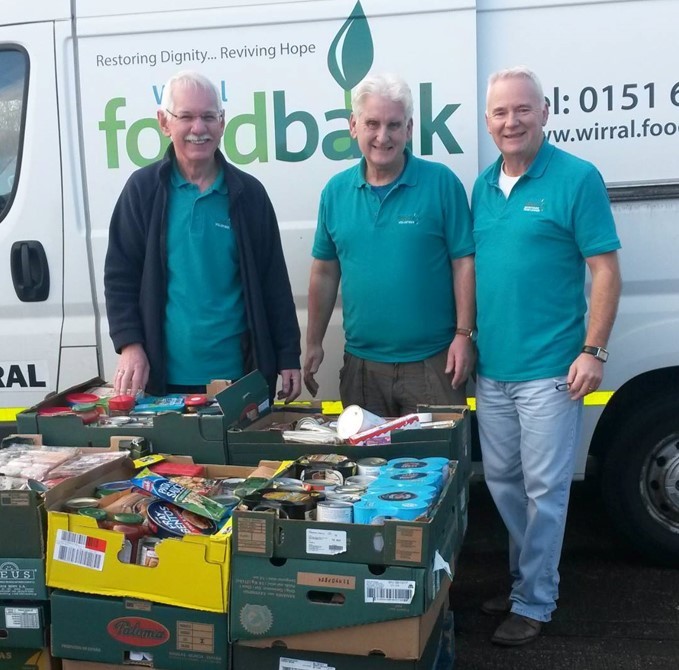
We are thrilled to announce we have partnered with Wirral Foodbank in order to provide essential ongoing support to those in need within our community. Read about what we have planned for the next year and how you can help.
Posted: 03/11/22
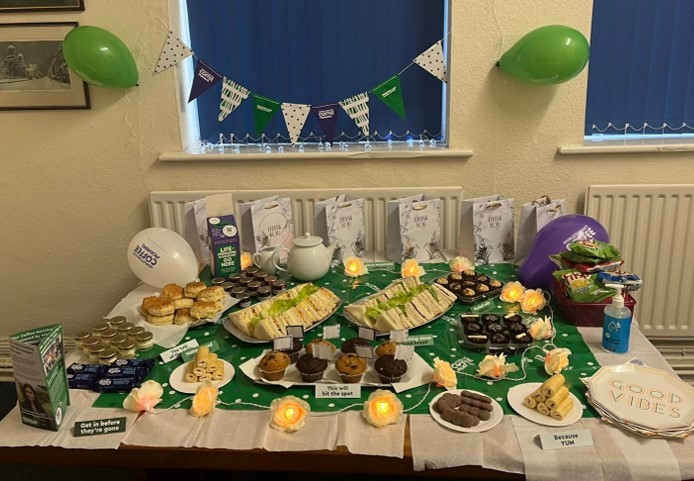
Percy Hughes & Roberts staff had a brilliant morning for the 2022 Macmillan Coffee Morning, the biggest coffee morning in the world.