
Wills and Probate in the Wirral
The expert wills and probate solicitors at Percy Hughes & Roberts can help you to put the necessary measures in place to protect your wealth and provide for your family. Whether you are planning for the future or have recently lost a loved one, we can advise on the appropriate next steps for you to take.
Headed by respected solicitor Mark Cotson, our team of legal experts are experienced and highly qualified. We can help you to ensure your wishes are met regarding what happens to your assets once you have died, with probate services that range from writing wills to support throughout the estate administration process. We have been providing legal advice to people across the Wirral, Liverpool and further afield for more than a century, and we pride ourselves on offering a cost-effective and dedicated service.
Speak to our probate solicitors about your circumstances today by calling 0151 666 9090, or complete our online enquiry form and we will contact you at a time that is convenient for you.
How can our wills and probate solicitors help you?
The complex nature of wills, probate and estate planning can leave your loved ones facing difficult and complicated legal challenges if you fail to take appropriate action. It is important that you have the correct measures in place to ensure that your estate is in order after you die.
At Percy Hughes & Roberts, we can help with the following:
Our wills and probate solicitors have a wealth of experience in helping executors through what can be a difficult time, dealing with estate administration on their behalf to simplify the process. Whether there is a will in place or not, we promise to assist you in sorting out the financial affairs in question and help you through the process of dividing the estate among those who are entitled to it.
Expert legal advice when making a will can help to avoid probate disputes and ensure that your final wishes are fulfilled, while minimising the risk of any conflict among your beneficiaries.
Why choose our wills and probate solicitors?
By choosing the wills and probate solicitors at Percy Hughes & Roberts to handle your estate administration, you can rest assured that you are in safe hands when planning for the future. We are committed to delivering a personal service to the highest standard, and have been providing expert legal advice for more than a century.
Our team of experienced wills and probate solicitors based in the Wirral delivers an excellent service to clients throughout the region, including Liverpool, the Merseyside area and across the North West. We apply our expertise to our will writing services to create valid wills that act as secure and binding legal documents. We can also advise executors on all aspects of the probate process, and support testators in establishing trusts or managing assets.
We hold a number of industry accreditations, including Lexcel, the Law Society's quality standard. This means we are recognised for providing effective legal services to our clients.
FAQs about wills, trusts and probate
What is probate?
Probate is the term that is used to describe the process of administering an estate after someone has died. If the person died with a valid will, the executor named in the document will have the legal responsibility to carry out the key tasks of the probate process. These include:
- Applying for a Grant of Probate, which gives them the legal authority to manage the estate
- Valuing the estate, including the person's assets and any property they owned
- Collecting the value of bank accounts and other significant assets and possessions
- Paying any outstanding debts or taxes due on the estate
- Distributing inheritance to the people outlined in the deceased’s will
Some testators appoint a professional executor to take on these responsibilities to ease the burden on the loved ones they leave behind. The team at Percy Hughes & Roberts Solicitors can advise you on writing a will, offer guidance on how to choose executors, and highlight some of the key considerations that you will face.
Can you write your own will?
It is possible to write a legally valid will yourself, but it can be complicated without support. There are specific legal requirements that a new will must meet to remain valid and, if you fail in this regard, the document may be overturned. In such cases, a previous original will would be upheld or, if there was no previous will, your estate would be distributed according to the UK's intestacy rules. These are strict and lack nuance - if you are married or in a civil partnership, your partner will inherit the estate, or share it with any children. Otherwise, it will go to your parents, grandparents or others in a determined order of priority. Unmarried partners receive nothing under intestacy laws, regardless of the intentions of the deceased.
When writing a will, it is important to consider the expectations of potential beneficiaries, and take into account all of the relevant assets that you own. A solicitor can help you to do this but, if you do not, you could end up inadvertently disinheriting friends or family members, or introduce other challenges that may not arise until after your death - at which point, you cannot resolve any disputes.
What is estate planning?
Estate planning is the process of ensuring that everything you own - known as your ‘estate’ - is structured in the best possible way. This often means maximising the tax efficiency with which gifts are distributed when you pass away, but could also involve giving instructions for the management of bank accounts, businesses or other assets to preserve wealth or make sure your intended beneficiaries inherit.
Our estate planning solicitors can:
- Assist in the protection of assets in a divorce or period of financial difficulty
- Help you to choose the right person to administer your estate
- Create a trust to keep inheritance safe for beneficiaries until they come of age, or to enable a spouse or civil partner to benefit from assets without inheriting them
- Appoint trustees to manage a trust you have established for your children or other dependents
PHR's wills, trusts and probate service can help you to carry out your wishes for your estate, including the management of any property or high-value assets in a tax-efficient way.
What is Inheritance Tax?
Inheritance Tax is a duty that applies to a person's estate when they die. In general, you must pay Inheritance Tax on any estate that is worth more than £325,000, at a rate of 40% of the value that exceeds this allowance. While there are certain additional allowances when property is passed to direct descendants, and for married couples or those in a civil partnership, this can still represent a significant proportion of many estates. If you have a high-value estate, Inheritance Tax can result in a very large tax bill, but careful estate planning can help you to mitigate or avoid this tax liability.
What if a loved one dies without making a will?
When someone dies without making a will, their estate is distributed according to intestacy laws. These laws establish a priority order in which loved ones will inherit from the estate. Ultimately, if there are no eligible relatives to inherit, the estate passes to the Crown.
This applies even in cases where there is an informal understanding about how assets will be distributed. There is no guarantee that the person who inherits an intestate estate will keep to this agreement, and they have no legal obligation to do so. In other words, there may be no legal recourse for your intended beneficiaries if they do not receive the gifts you intended.
For this reason, it is extremely important to make a will. You must also meet all of the legal requirements to be certain that your will is valid, whether you do this yourself or have an experienced solicitor help you. This is the only way to ensure that your estate is divided according to your wishes.
Contact Percy Hughes & Roberts
To speak to the experts at Percy Hughes & Roberts for a no-obligation phone consultation, get in touch today. Call us on 0151 666 9090, or fill out an online enquiry form to arrange for us to get in touch at a time that's suitable for you.
Wills & Probate Resources
Meet Our Team

Amy Holmes
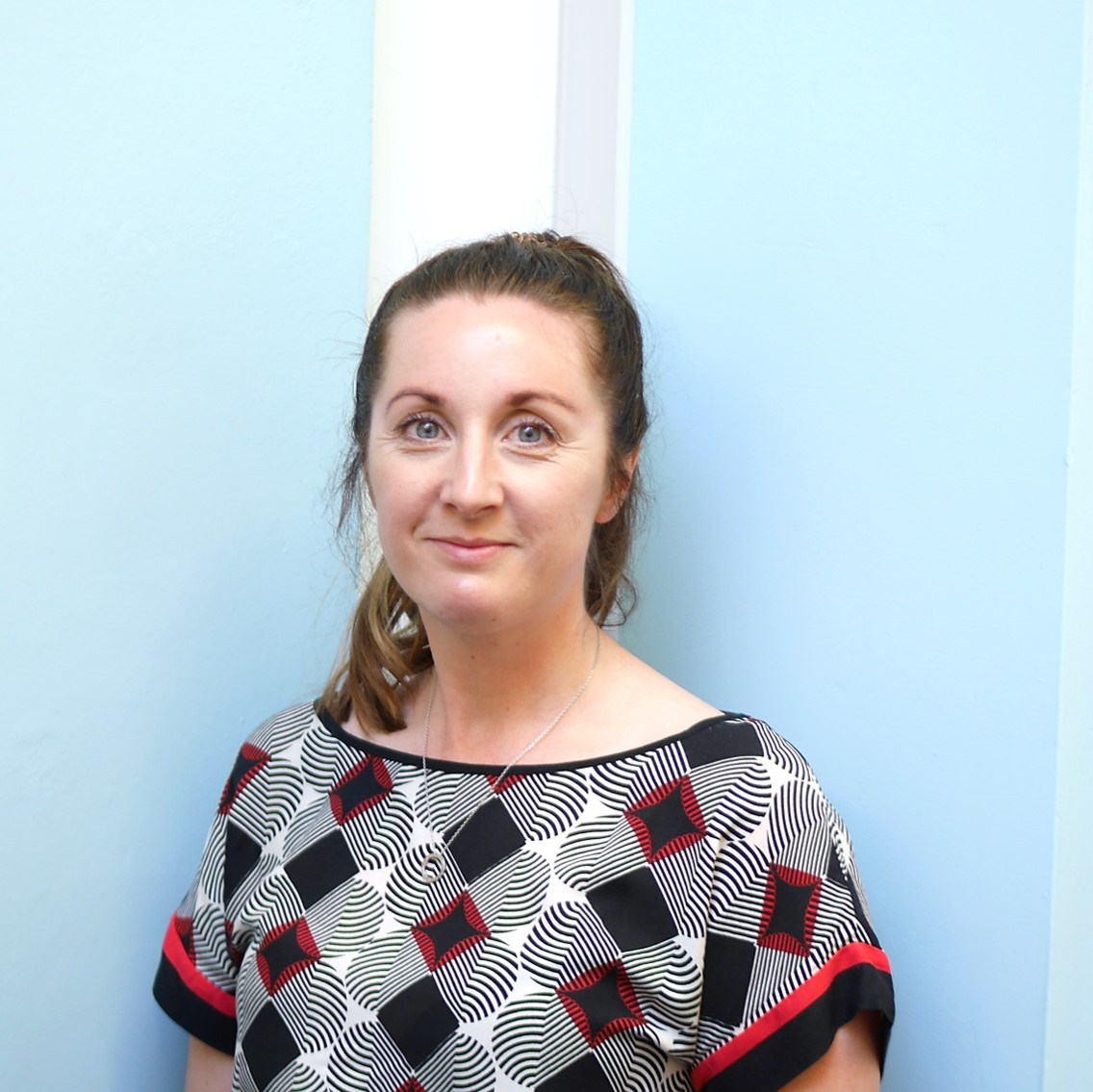
Callie Easterbrook

Gareth Edwards

Holly Lewtas
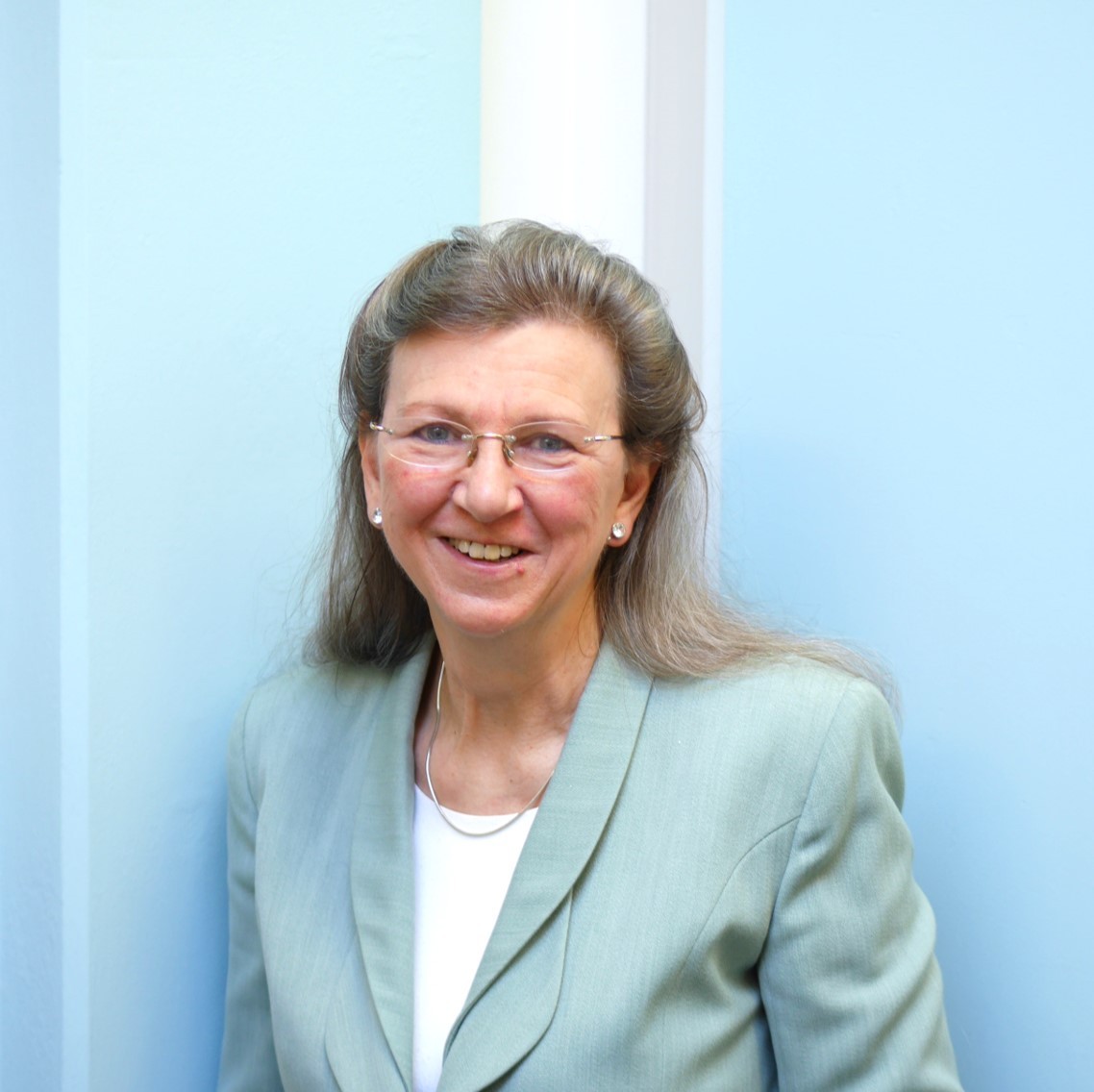
Jackie Smith

Jane Jenkins
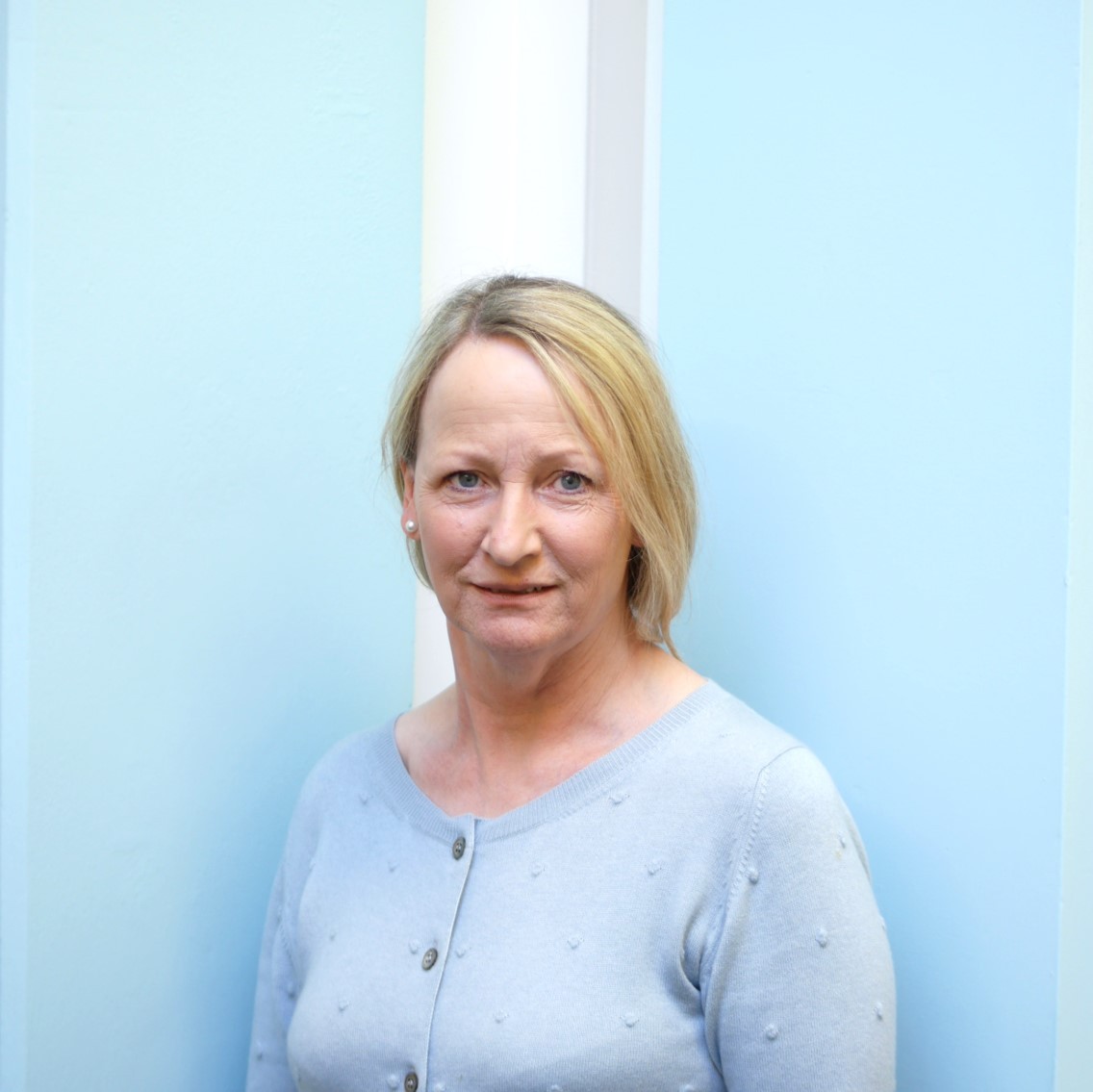
Lynne Swanson

Mark Cotson

Rebecca Hook